
How to Store Live Oysters Safely at Home
Why Norfolk Rewards the Slow Traveller
Norfolk’s north coast is a maze of creeks, salt marshes, and handsome harbours that seem designed for walking. You can park the car on a Friday and barely touch it again until Sunday, moving between quays and staithes on foot while the tide slides in and out beside you. The reward is not just the scenery. It is the food: oysters dredged from Brancaster, mussels grown in the shallows off Stiffkey, cockles from the Wash, and smoked fish from brick kilns that have been working for generations.
This is a coastline where seafood is not a side note. It is the reason the villages are here at all. Walking between markets and stalls lets you taste the maritime culture at its freshest, and you will learn more from a chat with a stallholder than from any museum label.
Wells-next-the-Sea: A Harbour Full of Smoke and Shellfish
Start in Wells-next-the-Sea, where the quay is the beating heart of the town. Arrive early, ideally before nine, when the fishing boats are still unloading and the smoke from the kippers is drifting across the water. The stalls here are practical rather than prettified: wooden trestles, chalkboards, and plastic crates of ice. Look for bloaters, hot-smoked mackerel, and whole crabs cooked that morning.
Wells is also a fine place to buy your first oysters of the day. Ask whether they are native or Pacific. Natives are the traditional British oyster, slower grown, with a deep, metallic tang. Pacifics are creamier and more forgiving for beginners. Both are served simply, usually with a squeeze of lemon or a dash of vinegar and shallot. Eat them standing up, looking at the boats, and you will understand why the town has been a shellfish port since the Middle Ages.
The Shellfish Trail: Oysters, Mussels, and Cockles
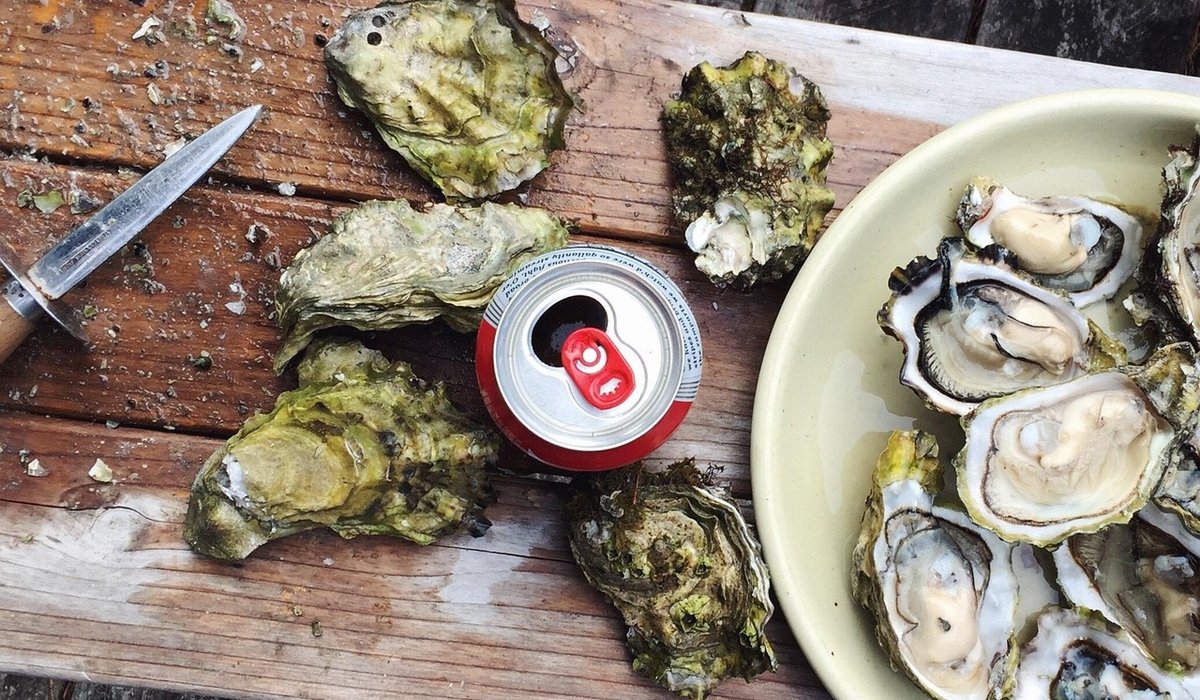
From Wells, follow the Norfolk Coast Path west towards Brancaster and Burnham Overy Staithe. This is the shellfish heartland. Brancaster oysters are famous for a reason: the cold, clean water and strong tides give them a firm texture and a brisk, briny finish. You will find them sold from cool boxes at harbour-side stalls, sometimes with a shucking knife if you fancy doing the work yourself.
Mussels from Stiffkey are another local treasure, small and sweet, often described as having a hint of the marsh. Cockles from the Wash are boiled and sold by the pint, best eaten with vinegar and a little pepper. If you are lucky, you will also see whelks, prawns, and lobsters landed that day. A word to the wise: shellfish seasons matter. Oysters are best in months with an R in them, though modern farming means you can find good ones year-round. Mussels are often at their plumpest in autumn and winter.
Inland to Burnham Market and Local Produce
It is a gentle walk from Burnham Overy Staithe to Burnham Market, and worth it for the contrast. The harbour is all mudflats and wading birds; the village is Georgian brick and independent shops. Here you can fill your bag with samphire, marsh lamb, local cheeses, and fresh bread. The smoked fish from the coast travels well, but eat the samphire the same day, steamed with butter.
Many stalls and small shops will tell you exactly which boat or smokehouse supplied them. That traceability is part of the culture. If you are buying crab, ask for it to be dressed, or take it home whole and pick it yourself with a hammer and a sturdy table. The flavour is worth the effort.
Practical Steps for a Day on Foot
- Check the tide tables before you set out. Some paths and harbour walls are cut off at high water, and the difference between a pleasant stroll and a muddy detour is often just an hour.
- Wear waterproof boots with good grip. Even in summer, the marsh paths can be soft, and harbour quays are slippery when wet.
- Bring cash and a reusable bag. Many smaller stalls do not take cards, and you will want something sturdy for oysters, wet fish, and a jar of local pickles.
- Start early for the best selection. By early afternoon, the day boats have sold out and the smoked fish stalls may be packing up.
- Ask about provenance. Stallholders are proud of their patch. A simple “where were these landed?” often leads to a story about the boat, the tide, and the family that has worked it for years.
A Maritime Culture You Can Taste
Norfolk’s coastal food culture is not a performance for visitors. It is the working rhythm of small harbours: nets mended on the quay, shellfish beds tended by hand, smokehouses that light their fires before dawn. Walking between markets slows you down to that rhythm. You begin to notice how the tide dictates the day, how the wind shapes the catch, and how a plate of oysters is really a conversation between the sea and the shore.
So pack a bag, put on your boots, and let your appetite lead. Whether you spend the day shucking oysters on a harbour wall or carrying home a smoked kipper for breakfast, you will leave with a fuller stomach and a deeper sense of why this stretch of coast tastes so distinctly of itself.
LEAVE A COMMENT