
Recognising Signs of Fresh Shellfish Before Cooking
Why a Weekend by the Water Beats a Fortnight Abroad
There is something quietly restorative about a British seaside fishing village in shoulder season. The light is softer, the harbour smells of rope and brine, and the cafes are full of people who know exactly which boat landed the crab that morning. You do not need a fortnight or a flight. A Friday-to-Sunday break, planned around the tide and the day's catch, can feel like a proper reset. The trick is to choose a place that still works for a living — not just one that sells tea towels and fudge.
Pick a Working Harbour, Not Just a Pretty One
A working harbour has tells. Look for ice boxes stacked by the quay, a harbourmaster's noticeboard with tide times, and day boats hauled up on the slipway. You want the smell of diesel and shellfish, not just suntan lotion. A few markers to look for:
- Morning activity: boats leaving before dawn and returning mid-morning with crates of crab, lobster, or scallops.
- Quay-side sales: a handwritten sign offering today's catch, often at prices that undercut any shop.
- Local trade: a fishmonger, a chandlery, and a pub that opens at noon for the crews.
Places like the East Neuk of Fife, the Northumberland coast, the little harbours of Pembrokeshire, and the creeks of Essex and Kent all reward a slow wander. The best villages are often a mile or two off the main road.
Oysters, Mussels, Crab: What to Eat and When
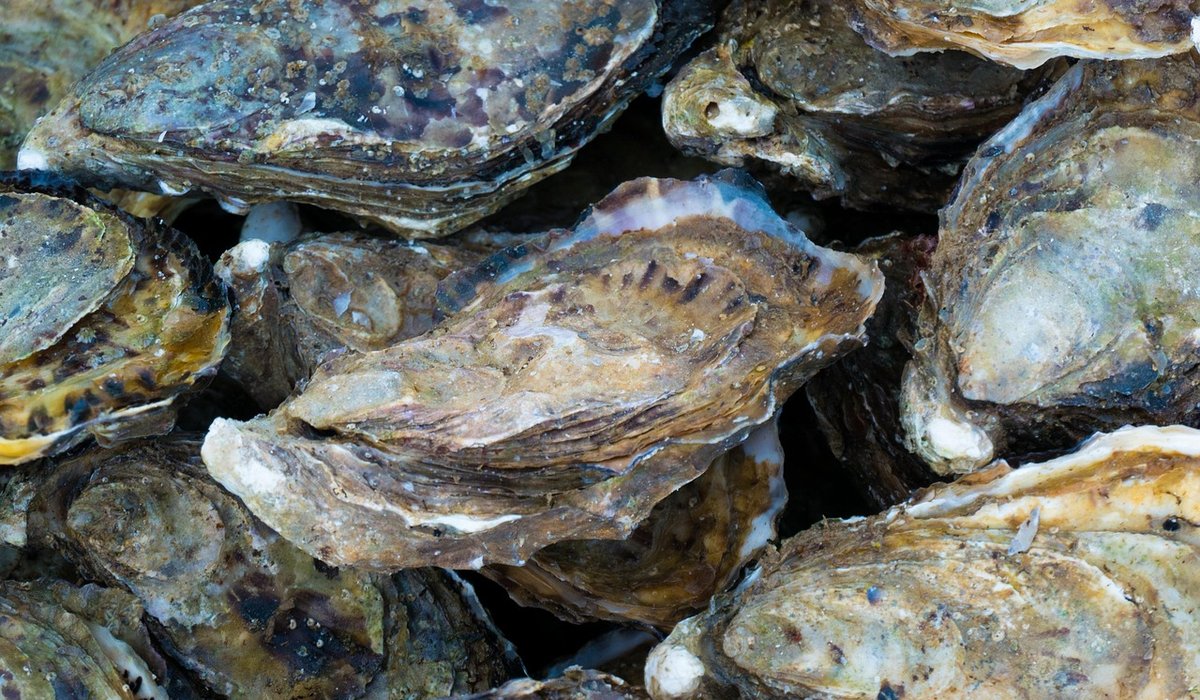
British shellfish has a rhythm. Native oysters are at their best from September to April — the old "months with an r" rule. They are slower-grown, mineral, and often served simply with lemon or a shallot vinegar. Pacific rock oysters are available year-round, but they taste brightest in cold water. Here is what to look for:
- Native oysters: September to April; deep shell, clean metallic finish.
- Rock oysters: cold months are best; ask for them shucked in front of you.
- Mussels: best in months with an r; a bowl with white wine, cream, and parsley is a classic for a reason.
- Crab: brown crab for dressed crab, cock crab for sandwiches; ask for the brown meat on the side.
- Cockles and whelks: vinegar, pepper, a pin — the original seaside snack.
- Scallops: hand-dived from a day boat, seared in butter, or raw with a little citrus.
If you buy from the quay, ask the fisher to shuck your oysters for a small charge. They will often do it while you wait, and you can eat them right there with a squeeze of lemon. Mussels should be closed tight before cooking; discard any that stay open.
A Day in the Life of a Fishing Village
Start early. The tide governs everything, so check the local tide table before you plan your walk. High water often means the boats come in; low water exposes rock pools and cockle beds. A mid-morning wander to the quay will catch the day boats landing. Watch the crates come off, ask what is good, and buy a bag of something still cold from the sea.
By lunchtime, find a bench on the harbour wall. Eat a crab sandwich with brown bread and a little lemon. In the afternoon, walk the coast path to a quiet cove. If the tide is going out, look for mussels on the rocks — but only take what you will eat, and never from a polluted or protected area. In the evening, a family-run cafe or a pub with a chalkboard menu will serve the same catch you saw landed that morning.
Where to Eat: Family-Run Cafes and Harbour Shacks
Look for chalkboards, not laminated menus. A short menu is a good sign: it means the kitchen is cooking what is fresh, not defrosting what is convenient. Family-run cafes often have a specials board with the day's fish, a pot of mussels, or a dressed crab salad. Harbour shacks are even better — a hatch, a queue of locals, and a paper tray of whelks or a crab roll.
Breakfast is underrated: a kipper, smoked haddock with poached egg, or a bacon roll with a view of the masts. For lunch, order a crab sandwich on granary, a bowl of mussels with crusty bread, or a plate of oysters with lemon and a dash of vinegar. For dinner, look for scallops, lobster, or a fish pie made with the day's catch. Cash still helps in the smallest places, and booking ahead is wise for oysters on a Saturday night.
Practical Weekend Kit and Timing
- Tide table: print one or screenshot it; phone signal can vanish on the coast path.
- Cash: many harbour shacks and quay-side sales are cash-only.
- Cool bag and ice packs: if you plan to buy fish or shellfish to take home.
- Layers and wellies: the weather turns fast, and harbour walls are slippery.
- Book ahead: small cafes and oyster bars fill up on weekends, especially in spring and autumn.
- Respect the harbour: do not block slipways, and keep clear of working boats and ropes.
LEAVE A COMMENT